Seasonal Foraging Safety: What to Check Before Picking Forest Berries and Nuts
A practical seasonal guide to foraging forest berries and nuts safely — confirming identification, choosing clean ground, following local picking rules, and harvesting responsibly.
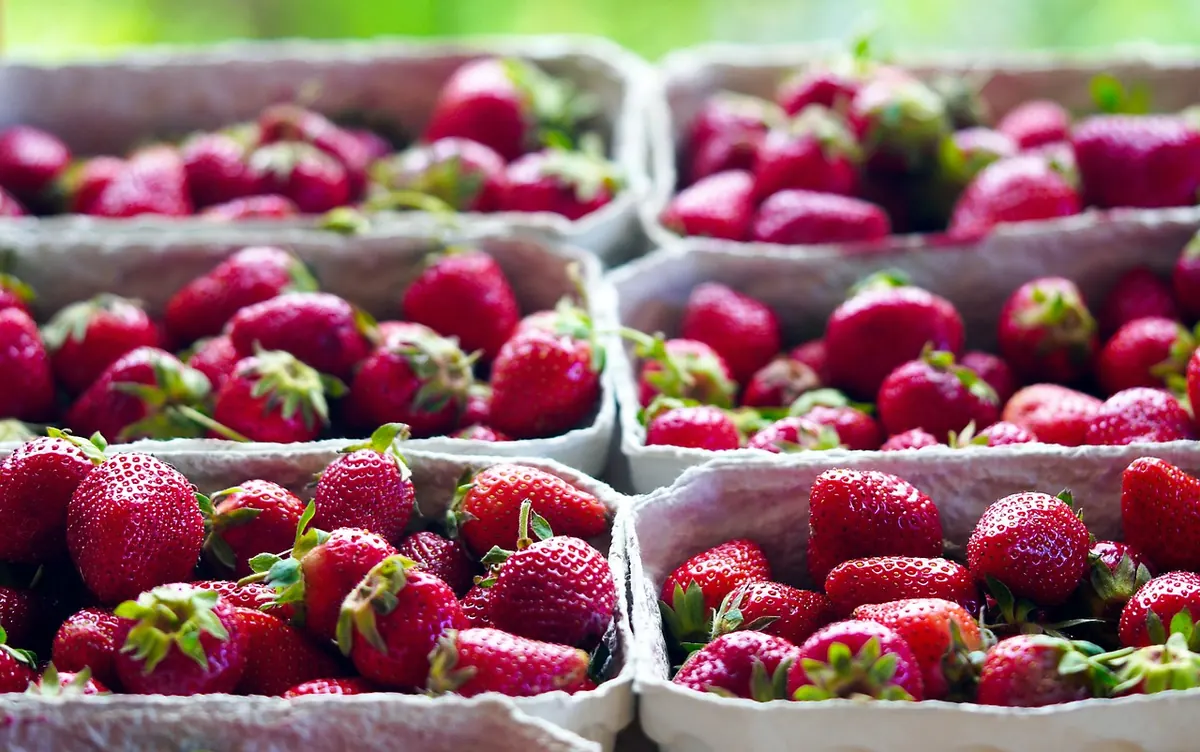
The first wild strawberries of the year are easy to love and easy to get wrong. That is roughly how every foraging mistake begins: a berry that looks familiar, a patch that looks clean, a basket that fills faster than anyone expected. Forest berries and nuts do reward attention, though. Half an hour of preparation before you leave the house turns a pleasant walk into a safe and genuinely useful harvest. Here is the ground worth covering every season, before you pick anything at all.
Identify With Certainty, Not Confidence
Matching a photograph is not identification. A plant needs to be confirmed by several features at once: leaf shape and arrangement, flower colour and structure, the way the fruit sits on the stem, and the growth habit of the whole plant. One feature on its own will eventually mislead you.
The classic confusion in European woodland is between wild strawberry and mock strawberry. Both trail along the ground with three-part leaves, and both appear in the same grassy clearings. The wild strawberry carries white flowers, its fruit hangs downwards, and the tiny seeds sit on the surface of the flesh. Mock strawberry has yellow flowers, its fruit points up toward the sky, and the seeds look like small bumps pushed out through the skin. One is a perfumed treasure; the other is bland and disappointing. It is harmless, but it is an excellent test of whether you are really looking.
Nuts deserve the same care, and the stakes are higher. Sweet chestnut husks are thick with long, densely packed spines and usually hold two or three nuts; the leaves are long and singly toothed. Horse chestnut husks are rounder, with sparse, blunt spines and usually one or two large glossy conkers inside. Eat the wrong one and you will spend the evening regretting it.
Keep a short list of things that never go in the basket: yew arils, ivy berries, honeysuckle berries, woody nightshade, and anything you cannot name with confidence. Photograph it, leave it, and check with a field guide or a knowledgeable local before the next trip.
Two independent sources, one clear identification, zero guesswork. If a plant fails that test, it stays in the forest.
Choose Ground You Can Read
Where a berry grows matters almost as much as what it is. Some sites are simply not worth the risk, no matter how heavy the crop looks from the car.
Hedges along busy roads collect dust, brake material and drift. Field margins beside conventionally farmed land catch spray. Railway embankments, industrial edges and reclaimed land may have been treated with herbicides or carry soil contamination, and old orchards and former mining or smelting ground can hold heavy metals that plants take up. Picnic areas and popular dog-walking routes are their own category: on low growth, assume the worst and look higher up.
Better ground is woodland interior, hedges set well back from arable fields, and places whose history you actually know. Pick at waist height or above where you can, and if a site looks sprayed, dusty or disturbed, walk on. A patch that feels uncertain is never worth a good basket.
Know the Rules Before You Fill a Basket
Foraging rules are local, and they change. In Italy, as across much of Europe, the right to pick depends on who owns the land and which authority manages it. Private land needs the owner's permission. National and regional parks, nature reserves and protected areas often restrict or forbid collecting altogether, sometimes for the whole year, sometimes only during particular months. Many regions also regulate mushroom collecting with permits and daily quantity limits, and those rules can differ from one valley to the next.
Before a first trip to a new area, ask. A quick call to the park office or the local commune will tell you whether picking is allowed, whether there is a permit, and how much a person may take for personal use. Commercial collecting almost always needs explicit authorization. Fences, signs and closures for habitat restoration are not suggestions.
Treat all of this as general guidance rather than legal advice. Rules vary by region, park and season, so confirm the specifics with the managing authority before you rely on them.
Take Less Than You Think You Need
A full basket feels like success. An emptied bush is a problem. Berries and nuts are food for birds, dormice, squirrels, foxes and, in some mountains, bears — and the animals that eat them are also the ones that scatter the seeds and bury the nuts that become next year's trees.
As a working rule, take no more than a third of what a single bush or branch is carrying, and spread your picking across several plants rather than stripping one. Never pull up a plant to reach its fruit, and never break branches to get at a high cluster; bend them gently and let them spring back. Leave unripe fruit alone, and leave the last nuts on the ground, where they will be buried and forgotten.
Rotate your patches from year to year. A hedgerow you picked lightly this September will fruit again next September; one you stripped may take several seasons to recover.
Pick, Carry and Store With Care
Shallow baskets, trays or wide containers keep fruit from crushing under its own weight; plastic bags sweat, and a warm bag of soft berries develops mould within hours. Gloves are worth carrying for chestnut husks and for hazelnuts still in their green collars. Keep the harvest out of direct sun on the way home, and deal with it the same day: berries frozen flat on a tray, nuts spread out to dry somewhere airy and dry, and anything destined for jam cooked before it starts to turn.
Remember that some wild fruit needs cooking before it is pleasant or safe to eat. Elderberries and rosehips are the usual examples. And if you are pregnant, immunocompromised, or managing a health condition, speak to your doctor before adding wild food to your diet.
A Season-by-Season Check
- Late spring and early summer: wild strawberries in sunny clearings, the first raspberries on woodland edges, elderflowers for cordial.
- High summer: blackberries, bilberries, redcurrants and gooseberries; the year's easiest picking, and the easiest to overdo.
- Late summer: elderberries turning from red to near-black, hazelnuts still green in their husks, blackberries at their peak.
- Autumn: ripe hazelnuts, walnuts, sweet chestnuts, sloes, crab apples and rosehips — check the husks carefully and wear gloves.
Timing matters within each season too. Hazelnuts picked green will not ripen off the bush, and sloes are best after the first cold nights soften them.
Before You Leave the House
- Confirm the land is legal to pick on, and check whether the park or commune requires a permit.
- Take two identification sources, and use an app only as a second opinion, never as the first.
- Pack gloves, a shallow basket, water, a charged phone and a bag for your own rubbish.
- Tell someone where you are going and when you expect to be back.
- Decide your limit in advance — a couple of kilos per person is a generous day.
- Photograph leaves, flowers, fruit and the whole plant before anything goes in the basket.
None of this takes the pleasure out of a morning in the woods. It sharpens it. You come home with less than you could have carried, and you know exactly what is in the basket, where it came from, and that the patch will be there again next year.
Photo: matthiasboeckel / Pixabay