A Spring Checklist for Monitoring Woodland Wildflowers
A practical spring checklist for recording woodland wildflower emergence, abundance and habitat pressures while keeping feet, hands and notes light on the plants themselves.
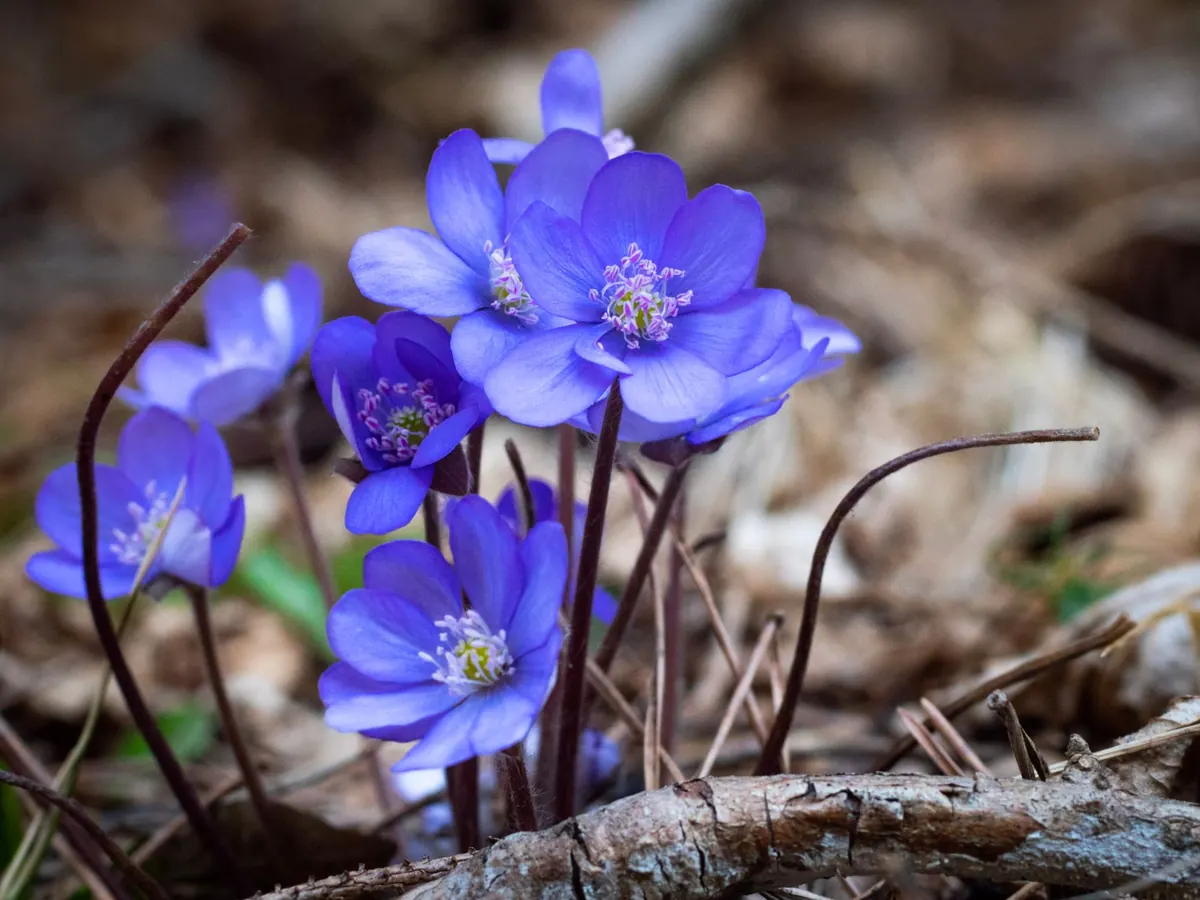
The first wood anemone of spring is easy to miss. One white star in the leaf litter, then another, then a whole drift of them along a path edge. This is the moment when a woodland starts to show what the season will be like, and it is also the best time to begin a simple wildflower record. The aim is not to collect specimens or to produce a perfect survey. It is to notice the same plants, in the same places, at the same stages, and to write down what is changing around them.
Start With a Route You Can Repeat
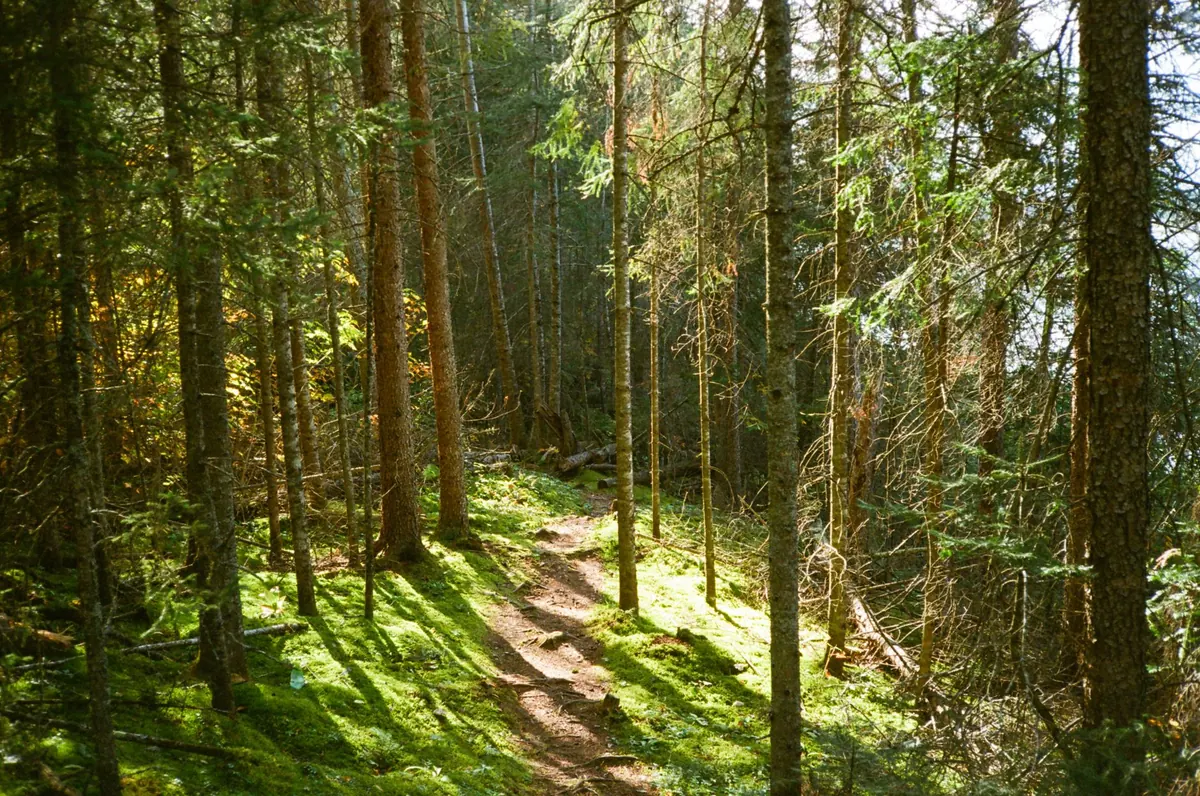
Choose a route you can walk again without much effort. The best monitoring route is not the most spectacular one; it is the one you will actually return to in two weeks. A short loop through a known wood, with three or four stopping points where wildflowers gather, is more useful than a long wander that changes every visit.
Before you go, check that you have permission to be on the land and to leave the main path. On private or protected sites, ask the owner or manager first. If access is uncertain, record only from public paths and viewpoints. Stay on established ground, keep dogs close, and avoid widening path edges by stepping into flower patches for a closer look.
Set your route with a map, a sketch, or a series of photo references. Do not mark trees with paint, tape, or flagging. A small notebook entry such as “first bend after the bridge, north side, old coppice stool” will do the job and leaves the wood unchanged.
What to Record at Each Sighting
At each stopping point, aim for the same basic fields every time. Consistency matters more than detail. If you record ten fields on one visit and three on the next, the notes become hard to compare.
- Date, time, and weather. Note cloud cover, recent rain, and whether the ground is dry or saturated. Spring weather shifts quickly, and a cold snap can hold flowers back for days.
- Place. Use a route point, grid reference if you have one, and a short description. “Under oak, east of path” is enough if it is repeatable.
- Species. Record what you can identify confidently. If you are unsure, write “unknown” and describe the leaves, flower shape, stem, and smell without picking anything. A photograph from several angles helps later.
- Stage. Note whether you see emerging leaves, buds, first open flower, full flower, fading flowers, or seed heads. This is the heart of a spring record.
- Abundance. Count a small patch, estimate a larger one, or use a simple scale. Write down the area you are describing so the number means something later.
- Pressure. Record anything that appears to affect the plants: trampling, browsing, invasive growth, drainage work, litter, or path widening.
- Photo reference. Take a wide shot of the patch and a close shot of the plant. Keep the same angle on repeat visits where possible.
Read Emergence, Not Just Flowers
Flowers are the headline, but leaves and buds tell the earlier part of the story. A patch of wild garlic may show broad green leaves for a week or more before the white flower heads open. Bluebells push up leaves and tight buds before colour appears. Primroses can flower early in sheltered spots while nearby plants are still in bud.
Visit the same patch at roughly the same interval through spring. Early, mid, and late spring visits are enough for many woods, though a weekly walk is better if you can manage it. Look from the path, kneel at the edge if the ground is firm, and use a hand lens without moving the plant. Do not lift leaves, clear leaf litter, or move fallen wood to get a better view. That small disturbance can change the temperature and moisture around emerging shoots.
Photograph the same plant or patch from the same direction. A photo taken from knee height at the path edge is more useful than an artistic close-up taken from inside the flower bed. If the light is poor, note that too; a blurred photo still has value when paired with a clear written record.
Note the Pressures Around the Plants
Conservation records become useful when they describe what is happening around a plant, not only where it is. Walk slowly at each stopping point and look at the ground, the path edge, and the lower stems. Record evidence rather than conclusions. Instead of writing “deer are a problem”, write “browsed flower stems on six of ten visible plants” or “fresh tracks and clipped leaves along the north edge”.
- Trampling and path creep. Bare soil, flattened plants, and new side trails through flower patches.
- Invasive plants. Dense patches of non-native ground cover, such as garden escapes or aggressive shade plants, spreading into the wildflower area.
- Browsing. Grazed leaves, clipped stems, and flowers missing from otherwise healthy plants.
- Drainage and soil disturbance. New ditches, muddy run-off, dumped soil, or wheel ruts near a colony.
- Litter and garden waste. Green waste, cut grass, and bulbs dumped at path edges can smother small plants.
- Tree damage and canopy change. Broken branches, bark stripping, or sudden removal of shade that alters the woodland floor.
- Weather damage. Late frost, heavy rain, or dry spells that affect emergence and flowering.
Keep the language plain. “Litter at path edge, about two metres across” is more useful than “habitat degraded”. The person reading your notes later can decide what it means.
A Simple Spring Visit Plan
A good monitoring habit is light enough to keep. This sequence works for a single woodland walk and can be repeated through the season.
- Plan your visits for early, mid, and late spring, and put them in your diary.
- Walk the same route at a similar time of day, stopping at the same points.
- At each point, scan from the path before stepping closer. Look for leaves first, then buds, then flowers.
- Write notes on the spot. Memory smooths over detail, especially when you have seen twenty patches of the same species.
- Take a wide photo and a close photo, then move on. Do not tidy the scene.
- Review your notes the same evening and add any identifications or corrections while the walk is fresh.
Keep Your Notes Consistent and Useful
Use the same abundance scale all spring. A simple one will do: single plant or clump; few, meaning two to ten; scattered, meaning more than ten but well separated; frequent, meaning regular through the patch; dominant, meaning it covers much of the ground layer. Write the area you assessed, because forty plants in a square metre and forty plants along a hundred metres mean very different things.
Record absences as well as presences. “No flowers seen at the beech stump this visit” is data. So is “leaves present, no buds”. If you are recording for a local woodland group or biological records centre, ask what format they prefer and keep sensitive locations out of public posts. Precise places for rare plants are best shared with the land manager or a recognised recording scheme, not broadcast widely.
At the end of spring, read back through your notes before they become a pile of loose pages. Mark the first flowering date for each species, the peak, and any pressure that appeared or worsened. That small summary is often more valuable than the individual visits alone.
A Short Closing Checklist for the Season
- Check access and permission before leaving the path.
- Carry a notebook, pencil, map or sketch, and a charged phone or camera.
- Stay on firm ground; never step into a flower patch for a photograph.
- Record date, weather, place, species, stage, abundance, and pressure at every stop.
- Use the same route, the same scale, and the same photo angle.
- Do not pick, dig, clear litter, or move wood to improve a view.
- Review notes the same day; submit records to the land manager or local recording scheme where appropriate.
Spring passes quickly in a wood. A few repeat visits, written down plainly, will tell you more about the season than a dozen hurried walks. Keep the record simple, keep your feet off the flowers, and let the same patch show you what changes.
Photo: Bruno Kraler / Pexels