Native vs. Non-Native Forest Plants: A Simple Comparison for Gardeners
Native and non-native woodland plants compared by behaviour rather than origin — what each offers wildlife, where the real risks lie, and how to choose responsibly.
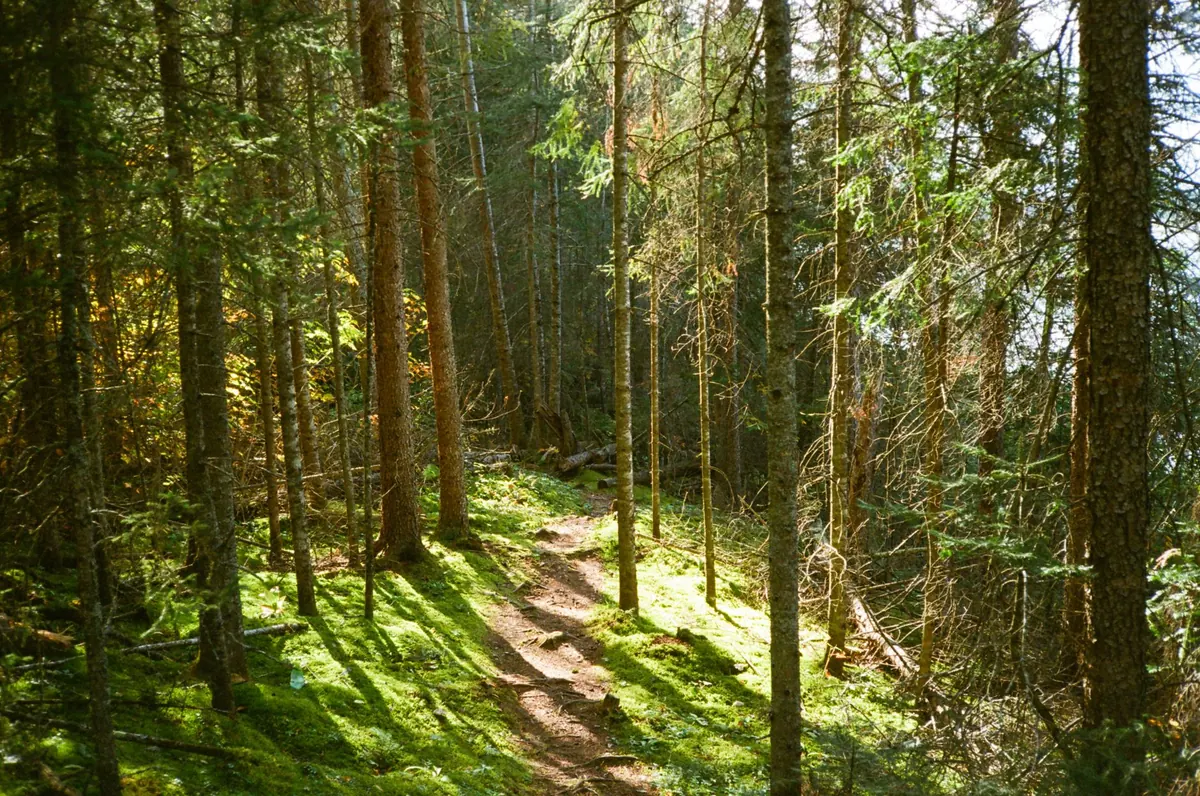
Every woodland garden is a small negotiation between what you love and what the place can carry. You saw drifts of bluebells under beech, or a fern uncurling through last year's leaves, and you want that. Two pots at the nursery can look identical and cost the same, then behave completely differently once they're in the ground. Natives and non-natives are not two teams, and the honest comparison comes down to behaviour: how a plant feeds the life around it, how far it travels, and how much work it makes for you in five years' time.
What Native Actually Means
Native is a word with a sliding scale. Strictly, it describes a species that reached your region and evolved there without human help, present before planting, trade and landscaping rearranged the map. Useful as a starting point, but "native to Britain" or "native to Italy" is too coarse to plant by. A species at home in limestone woodlands may sulk in acid clay, and one that thrives in wet alder carr will die in dry ground against a wall.
So narrow it down. Ask whether the plant is native to your region and, more importantly, to your habitat — the soil, light and moisture it evolved with. A native in the wrong conditions is just an unhappy plant, and it will need the same mollycoddling as an exotic.
Cultivars sit in a grey area that matters less than people expect. A white-flowered form of a native species still belongs to the local food web, though double flowers often give insects less to work with. And non-native is not a synonym for invasive. Most garden plants are well behaved; a small minority are not, and those few cause most of the trouble.
The useful question isn't where a plant comes from but how it behaves once it's in the ground.
The Quiet Advantages of Native Woodland Plants
The strongest argument for natives isn't sentiment. It's timing.
Native insects have spent a long time adapting to native plants. Caterpillars that feed on oak, willow or birch are part of a chain that ends with blue tits feeding nestlings in May. Early bumblebee queens emerging from hibernation find nectar in bluebells, primroses and wood anemones precisely because those plants flower when the queens are flying. A non-native that opens three weeks later may be beautiful and useless to that particular bee.
Below ground the same logic applies. Native woodland perennials tend to partner with the mycorrhizal fungi already in your soil, and they handle local rainfall, frost and summer drought without help. Once established they need no watering, no feeding, no staking. That is not romance; it is a lower-maintenance garden.
The ground layer is where natives earn their keep most visibly. Wood sedge knits through dry shade, hart's tongue fern tolerates drought once rooted, wild garlic will carpet a damp corner and scent the whole garden in April, and dog violets seed gently between tree roots. Add wood anemone and native bluebell where they suit, and you have a spring woodland floor that asks nothing from you except patience and a refusal to tidy too eagerly in autumn.
Where Non-Natives Earn Their Keep
There are honest reasons to plant beyond the local flora.
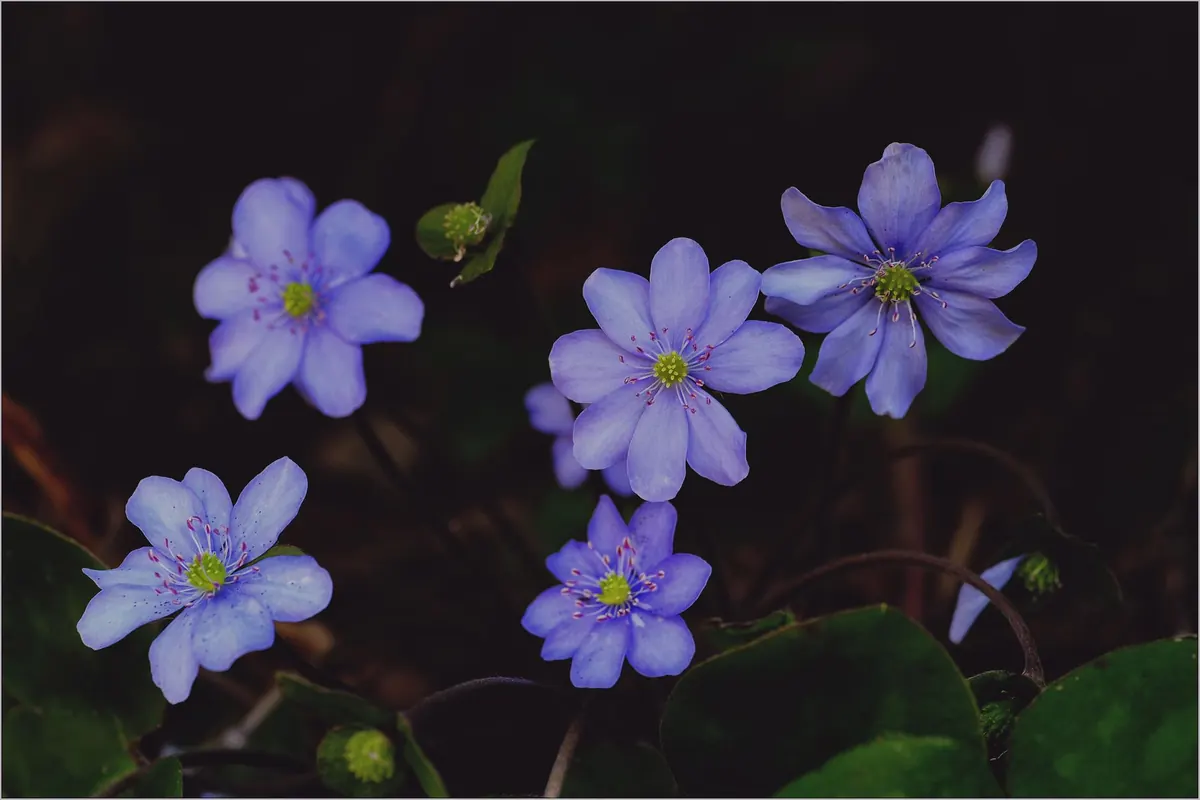
Some non-natives solve problems natives can't. Dry shade under mature trees is the classic case: Epimedium, with its bronze spring foliage and small nodding flowers, grows in root-filled ground where little else will. Cyclamen hederifolium brings autumn flowers and marbled leaves to the same difficult spot. Hellebores give winter and early spring colour when almost nothing else is open, and most stay put. Japanese anemones carry the border into September when the woodland has finished.
There's a diversity argument too. A garden with a spread of flowering times feeds pollinators across more of the year than a purely native planting that peaks in May and then goes quiet. Non-natives with no close native relatives nearby are also far less likely to hybridise — a real concern in some genera and almost none in others.
The test is behaviour, not origin. A plant that sets little viable seed in your climate, spreads slowly by clump growth and doesn't send runners under the fence is a reasonable guest. One that seeds into every crack and hedgerow is a different proposition entirely.
The Risks Worth Taking Seriously
Non-native plants escape gardens in ordinary ways: birds drop berries, wind carries seed, and a piece of root left in a barrow of soil travels to the tip and beyond. Once out, some settle quietly and some don't.
The two problems to watch are competition and hybridisation. Dense evergreens such as cherry laurel or rhododendron cast shade that kills the woodland floor beneath them, and their litter suppresses whatever tries to come up. Ground-cover spreaders take the space and don't give it back. Japanese knotweed is the extreme case — it regenerates from small fragments, and removal is a job for specialists, so it's a plant to refuse outright if a neighbour offers you a division.
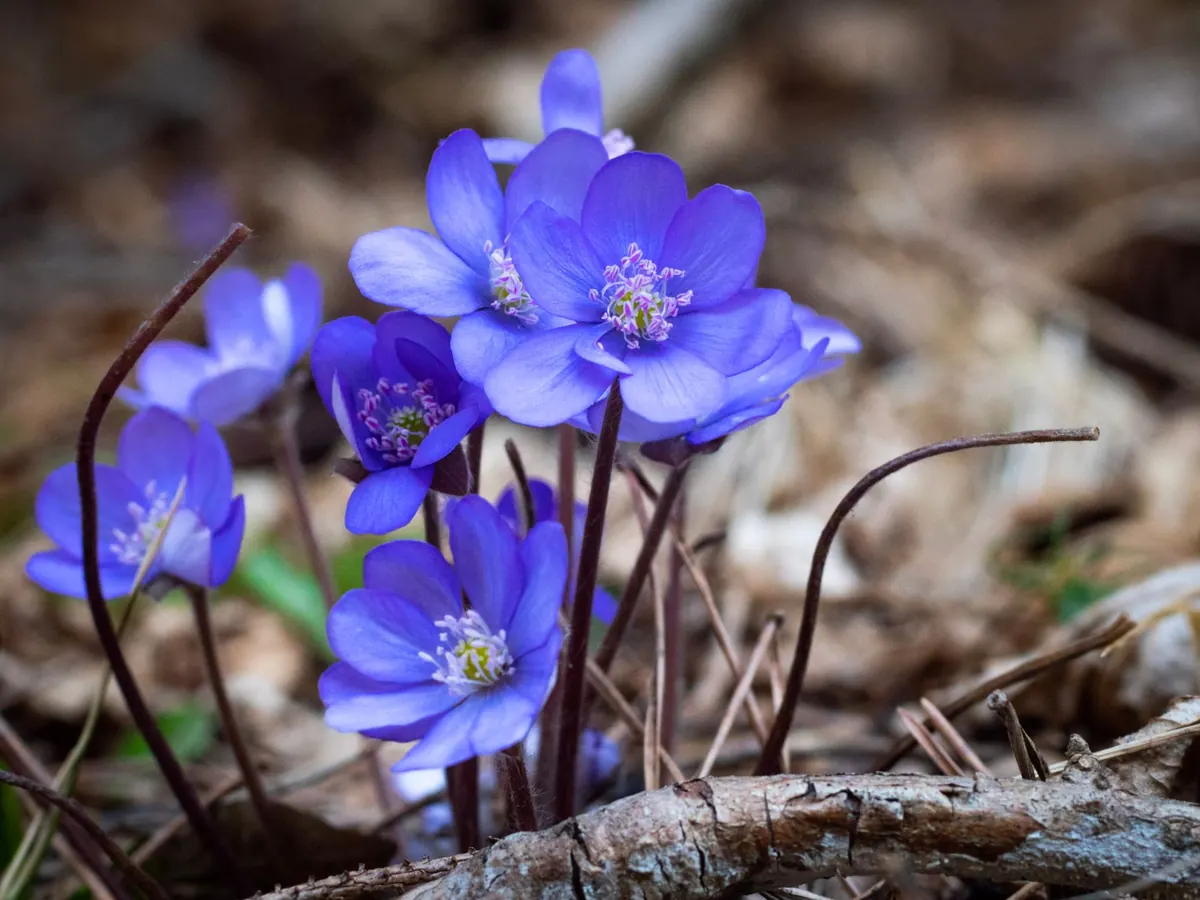
Hybridisation is subtler. Where a non-native has a close wild relative, the two can cross, and the offspring blur the local population. Spanish bluebell crossing with native bluebell is the example most gardeners know. The native doesn't vanish overnight, but the character of the local plant does.
Watch for these habits before you buy:
- Seeds freely, with seedlings appearing well away from the parent plant
- Spreads by runners, rhizomes, rooting stems or broken fragments
- Keeps its leaves through winter, blanketing the spring ground layer
- Is sold as sterile but sets fertile seed anyway — ask, or watch for a season
- Has a wild relative in your area it could cross with
Five Questions Before You Buy
- Which habitat does it want? Compare the label's soil and light notes with the actual spot, not the spot you wish you had.
- How does it spread? Ask the nursery directly. If nobody knows, assume it seeds.
- Is there a wild relative nearby? If yes, avoid the same genus or choose a form that doesn't set seed.
- Where was it propagated? Nursery-grown, never dug from the wild. Wild-collected plants damage the woods you love and are illegal in many places.
- What does it look like in February? Evergreen ground cover is either a gift or a blanket, depending on what's underneath it.
A Planting You Can Live With
Use natives for the backbone: the ground layer, the shrubby edges, the plants that carry the food web and hold the soil. Use non-natives for accents, for the difficult corners and for the seasons natives leave empty. Then watch. Two summers will tell you how a plant means to behave in your garden, and pulling a seedling is far easier than pulling a thicket.
Plant in autumn if you can, while the soil is still warm and rain does the watering. Water through the first summer, then stop. Leave the leaf litter, a few fallen branches and the seed heads you can bear to part with; that debris is habitat and it saves you work. Keep a rough note of what survives without help, because those plants will define the garden.
One last thing: check local guidance. What counts as invasive differs from region to region and shifts over time. Your regional wildlife trust, botanical garden or agricultural extension service will tell you which plants to avoid where you live. That isn't bureaucracy — it's the shortest route to a woodland that looks after itself.