Common Mistakes When Replanting a Damaged Woodland Edge
A practical guide to the most common errors in restoring a damaged woodland edge, from choosing the wrong species and planting at a convenient time to under-protecting young trees.
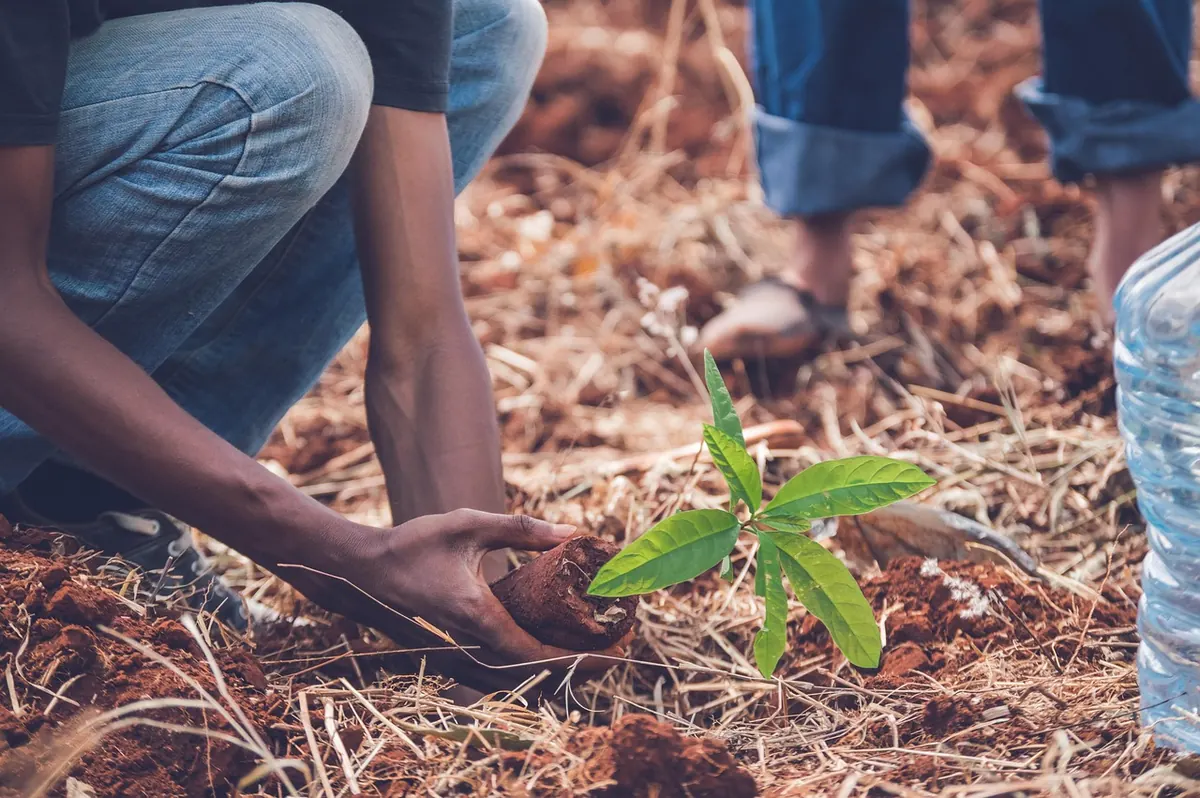
You can spot a badly replanted woodland edge from thirty metres away. The trees stand in a straight line, every one the same size, each wearing an identical plastic guard. Beneath them the grass has been sprayed to a crisp brown, and the whole strip looks less like a wood than an apology. The people who planted it almost certainly meant well. Restoring a woodland edge isn't technically hard, but it is full of small decisions where the obvious choice turns out to be the wrong one. Here are the mistakes that show up again and again, and what to do instead.
Choosing Species by Taste Rather Than by Site
The first mistake usually happens in a catalogue or at a garden centre. Someone falls for a copper beech, a flowering cherry, a neat row of leylandii, and a year later half of them are dead and the other half are wrong. Woodland edges have particular conditions: more light than the wood interior, more wind, drier soil in summer, wetter soil in winter, and root competition from the field or hedge next door. Species have to match that.
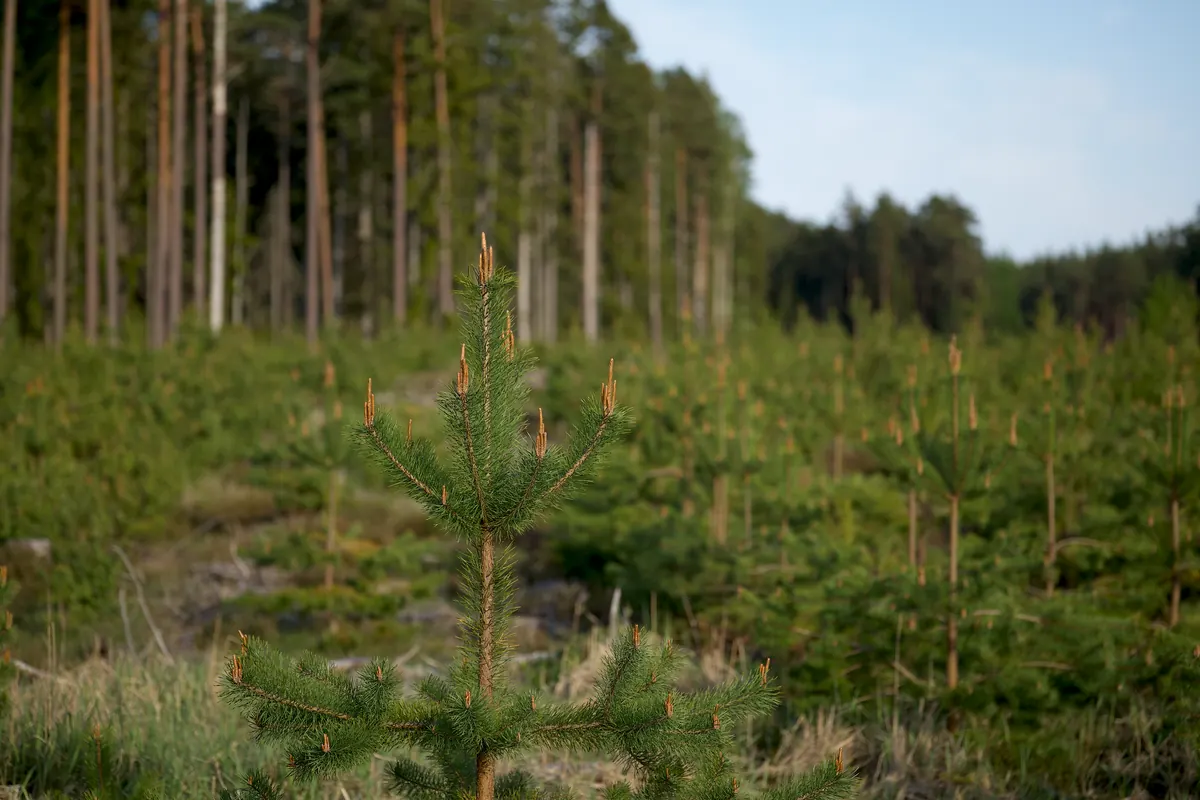
Look at what already grows well nearby before you buy anything. If the adjacent wood is old and semi-natural, its natural regeneration is a free soil test — the seedlings coming up in the gaps are telling you what the ground wants. On damp clay, alder, willow and oak will cope where birch will sulk. On thin, free-draining sand, birch, rowan and pine are far safer than beech. And provenance matters: stock grown from seed collected locally tends to establish better than trees raised from a warmer or drier climate, even within the same species.
The shrub layer is not optional
A great deal of the value in a woodland edge sits below head height. Hawthorn, blackthorn, hazel, dog rose, spindle, guelder rose and dogwood provide nesting cover, berries, and the sheltered microclimate that ground flora and insects need. A replanted edge made only of standard trees is a fence, not a habitat. Budget for roughly half your plants to be shrubs, and don't let a contractor talk you into a tidy single-species row because it's cheaper per metre.
Treating the Edge as a Line Instead of a Zone
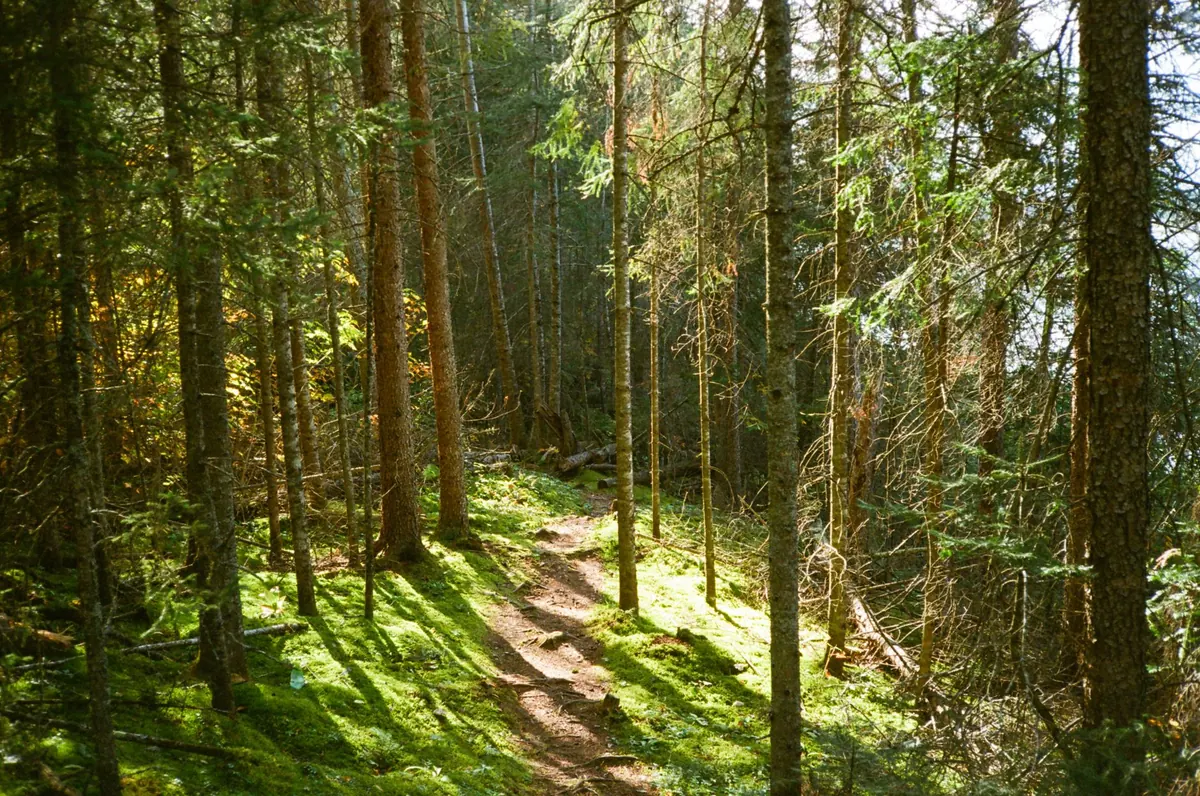
An edge isn't a boundary; it's a gradient, often eight to fifteen metres wide, running from tall trees through scrub and bramble to tussocky grass and flowers. When you plant a single straight row along a fence line you get a hard seam that wind pours over and wildlife has little use for.
Plant in a graded profile instead. Taller canopy species toward the wood, then a band of shrubs and small trees, then a rougher strip of grass left unmown. Wobble it. A scalloped edge with bays and promontories creates sheltered pockets, catches more sun at different times of day, and gives far more usable edge per square metre than a ruler-straight line. If your site allows it, cut a few shallow inlets into the wood side too — small clearings that let light down to the ground.
Planting at a Convenient Time Rather Than the Right One
Bare-root trees are planted in the dormant season, roughly from leaf fall to bud burst. Within that window the best moment depends on your soil. On light, free-draining ground, autumn planting gives roots weeks of mild soil to settle in before winter, and the trees go into spring already established. On heavy clay or anywhere that stays wet, spring planting avoids roots sitting in cold water for months.
What never works is planting because a grant deadline, a volunteer day or a delivery date says so. Trees heeled into a bag in a warm shed, roots dried out on a sunny April morning, saplings dropped into frozen ground — these are the reasons establishment rates collapse. Keep bare roots damp and out of the sun, plant within a few days of delivery or heel them in properly, and if the ground is frozen or waterlogged, wait. A fortnight's delay costs you nothing; a bad planting day costs you the season.
Underestimating What Will Eat, Rub or Trample It
Young trees are a food source. Rabbits will ring-bark a sapling in a night, deer will strip the leader and rub the stem, sheep and horses will lean through a fence, and voles will nibble roots under a mulch mat. A guard that's too short, too flimsy or simply absent is the fastest way to lose a planting.
Match the protection to the pressure. Rabbit tubes need to be tall enough to stay above browsing height and pressed firmly into the soil so nothing gets in underneath. Where deer are present, you need either a stock fence around the whole compartment or individual guards of sufficient height, properly staked. Add a mulch mat or a spade-wide ring of cleared ground around each stem, and check that the tie isn't strangling the tree by the second summer.
Guards are a commitment, not a one-off
Every guard you put out will need checking, re-staking and eventually removing. Flimsy guards split and blow into hedges; tight ones can girdle a stem as it thickens. Plan the removal visit from the start, and keep a simple map or record of what went in where — you will not remember in five years.
Clearing the Ground Too Thoroughly, or Barely at All
Two opposite mistakes cause most failures on the ground. The first is stripping a site to bare soil: scraping off turf, spraying everything, leaving a blank canvas. That destroys the seed bank and much of the soil life you were hoping to build on, and it invites a flush of the most aggressive weeds. The second is planting straight into dense grass, bracken or bramble, where the saplings are outcompeted within a season.
Aim for the middle. Clear a patch around each planting position — a spade's width is often enough — and keep it clear for the first two summers, by hand or with a mulch mat. Leave the rest of the ground vegetated. If invasive plants such as rhododendron, cherry laurel or Japanese knotweed are on site, deal with them before planting and get specialist advice, because half-measures simply spread them.
Walking Away After Planting Day
The last mistake is the quietest one. A planting is not finished when the last stake goes in; it's finished two or three summers later. Young trees need water in dry spells, especially on light soils and in their first season. They need competing vegetation knocked back around the stem. They need failures replaced while the ground is still workable, not three years later when the gap has closed over with grass.
Walk the site twice in the first summer and once a year after that, with a notebook. Note which species are thriving and which are failing; that's your best evidence about the soil and the shelter on that edge, and it should shape any future planting.
A Short Checklist Before You Pick Up a Spade
- Check what already regenerates on and beside the site, and let that guide your species list.
- Order locally sourced stock, with at least half of it shrubs, and ask when it was lifted.
- Decide whether you are planting autumn or spring based on how wet your soil gets.
- Plan a graded, wavy edge rather than a single row along a boundary.
- Work out realistically what will browse the trees, and buy guards to match.
- Clear a small patch per tree and leave the rest of the ground alone.
- Book in the aftercare — watering, weeding, replacing — before planting day, not after.
Get these right and the edge will do most of the work itself. Give it a decade, and the straight line of stakes becomes something you can't easily tell apart from the older wood behind it — which is the whole point.
Photo: imsogabriel_Stock / Pixabay